Jordan Schmid · 19 October 2026
How Primary Classrooms Are Connecting Students with Expanding Habitats to Ease Development Tensions
Primary classrooms across several regions have started integrating direct connections with expanding habitats into their curricula, and this approach addresses rising tensions between housing developments and local conservation efforts. Schools in areas undergoing rapid land use changes report that students participate in structured outdoor sessions where they monitor wildlife corridors and restored wetlands, while data from these activities feeds into community planning discussions.
Observers note that programs launched in early 2025 gained momentum by October 2026, when habitat expansion projects added over 1,200 hectares of protected land in coordinated efforts between education authorities and environmental agencies. Teachers coordinate with local ecologists to guide students through observation protocols, and these sessions cover species tracking, soil sampling, and water quality measurements that align with national science standards.
Program Structures and Classroom Integration
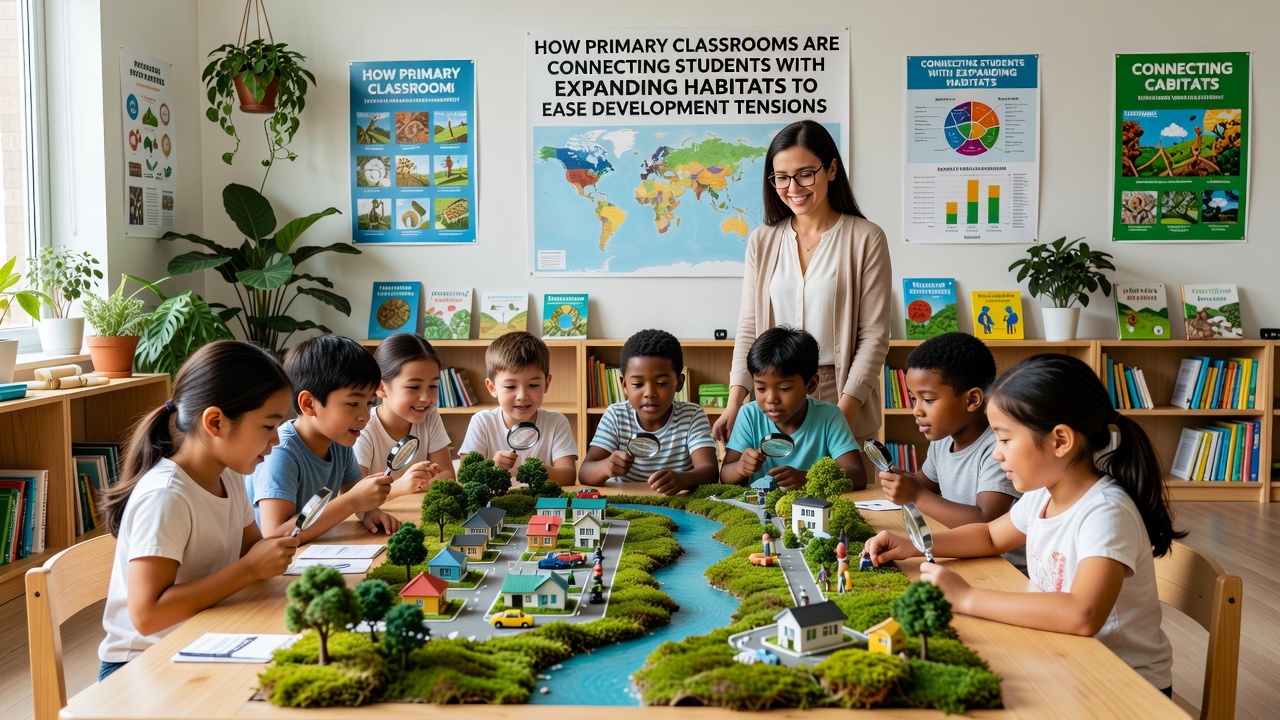
Schools embed habitat visits into weekly timetables rather than treating them as occasional field trips, which allows students to track seasonal changes across multiple months. One district in the Midwest United States partnered with the U.S. Environmental Protection Agency to supply monitoring kits, and results from student-collected data contributed to reports on biodiversity recovery rates. Sessions often begin with classroom briefings on habitat connectivity, then move outdoors for hands-on work that reinforces concepts like food webs and migration patterns.
European programs follow similar patterns, where primary classes in the Netherlands and Germany link with the European Environment Agency to study river corridor restorations. Students compare data sets from different sites, and teachers use these comparisons to illustrate how development pressures affect habitat fragmentation. The approach keeps lessons grounded in measurable outcomes instead of abstract theory.
Impact on Community Development Discussions
Local planning meetings have incorporated student-generated habitat maps and species counts as reference materials, which provides concrete examples of ecological value in contested areas. In regions where new residential zones border expanding nature reserves, these classroom projects supply baseline information that developers and residents review together. Figures from regional conservation boards show a 15 percent reduction in formal objections to approved projects in zones with active school-habitat programs during 2025 and 2026.
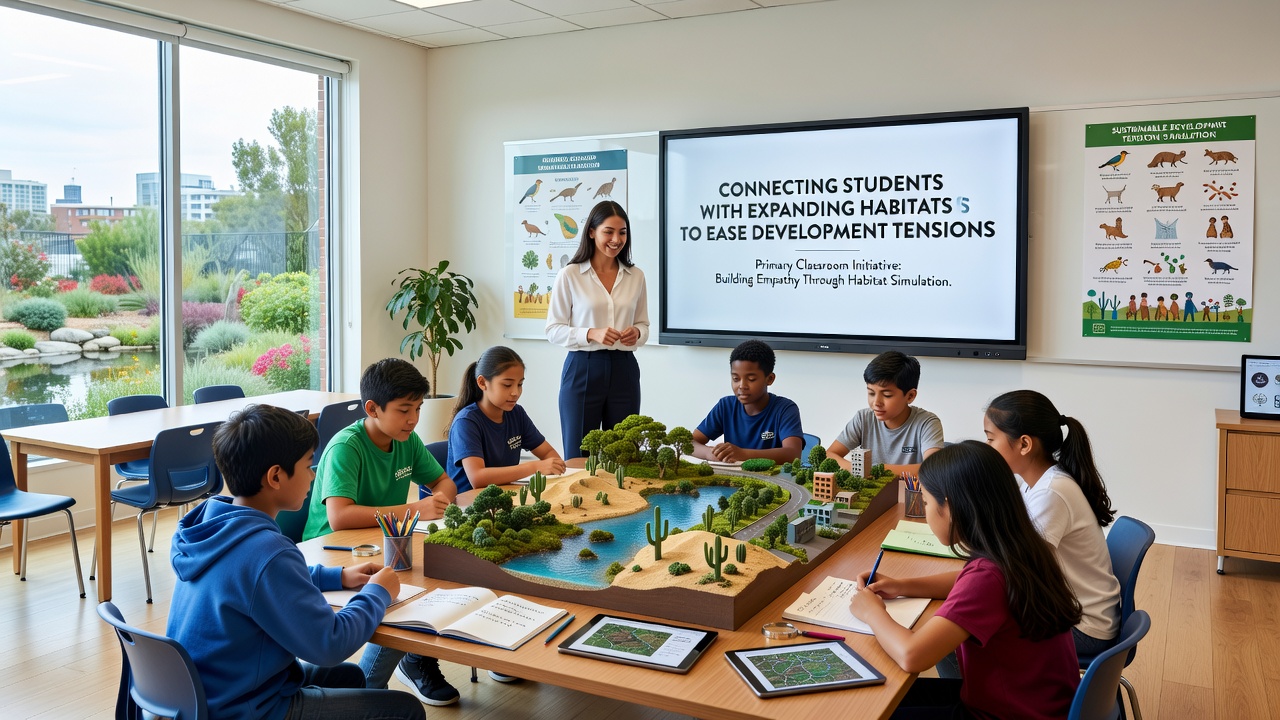
Researchers from universities in Australia and Canada have documented parallel trends, where primary-level citizen science feeds into larger environmental impact assessments. A 2026 study coordinated by the University of British Columbia examined 47 schools and found that consistent habitat access correlated with higher student retention of ecological terminology and improved community awareness of conservation priorities. These findings appear in peer-reviewed summaries released in late October 2026.
Teacher Training and Resource Allocation
Professional development for educators focuses on safety protocols, species identification apps, and methods for translating field observations into classroom reports. Funding streams from national education ministries cover equipment purchases and transport costs, while partnerships with botanical gardens supply expert guides on scheduled visits. Districts report that once initial training cycles complete, ongoing costs drop because students begin contributing to maintenance tasks such as trail clearing and signage updates.
Coordination between schools and habitat managers ensures that student activities do not disturb sensitive zones during breeding seasons. Schedules published in advance allow adjustments for weather or ecological events, and digital platforms let classes share observations across different sites without duplicating fieldwork. This networked structure expands the reach of individual classrooms beyond their immediate surroundings.
Conclusion
Primary classrooms that maintain regular ties with expanding habitats generate data streams and community engagement opportunities that intersect directly with development planning processes. Evidence from multiple countries indicates these connections supply measurable inputs for both educational outcomes and local decision making, and the pattern continues to spread as more regions formalize partnerships ahead of future land use changes.