Jordan Schmid · 5 October 2026
Valley Retailers Harness Cultural Festivals and Archived Data to Address Traffic Congestion and Evolving Shopping Patterns
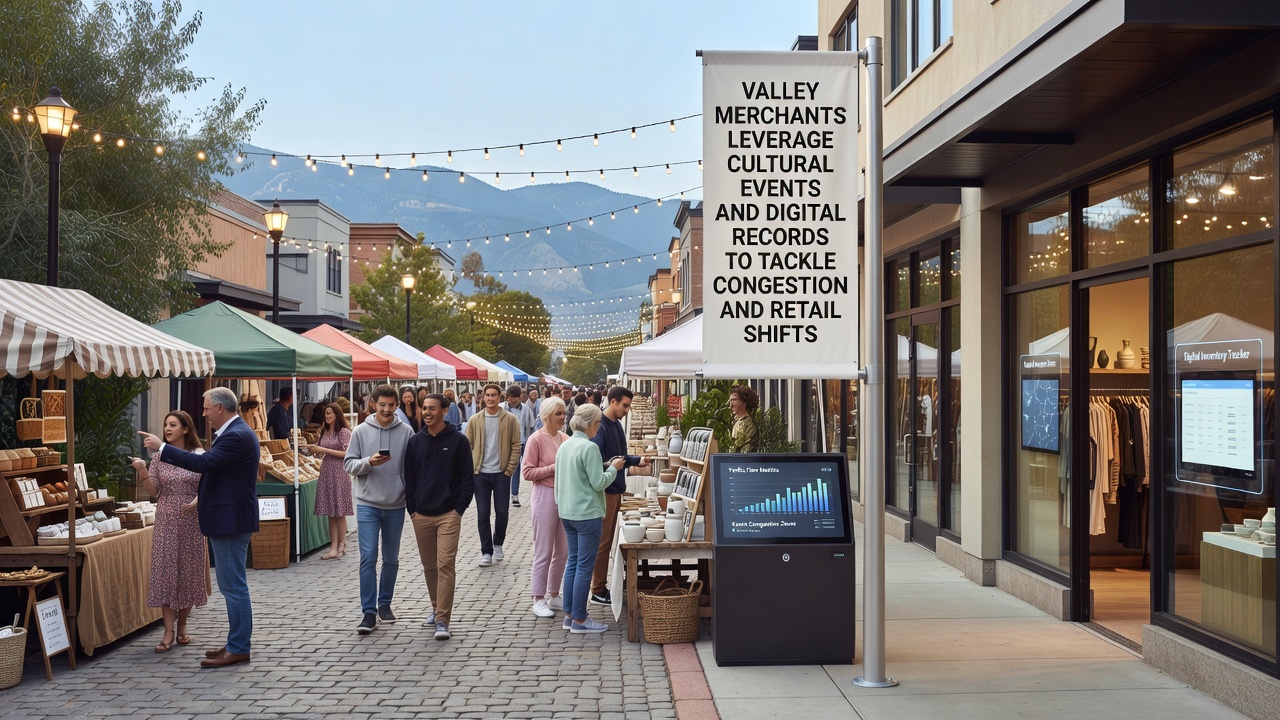
Valley merchants have begun integrating cultural festivals with digitized historical records as a coordinated strategy to ease vehicle congestion while responding to broader changes in consumer behavior, and this approach draws on patterns observed across multiple seasons of local commerce data. Organizers schedule events during off-peak hours and pair them with targeted promotions that encourage walking or cycling, which spreads visitor arrivals more evenly throughout the day rather than concentrating them in narrow time windows that previously created bottlenecks at key intersections.
Cultural Events as a Congestion Management Tool
Local businesses coordinate pop-up markets and heritage celebrations that coincide with existing footpaths and public transport routes, allowing retailers to capture passing trade without adding extra vehicle trips into already busy corridors. Records from past events show that when festivals align with digitized traffic logs from the previous decade, planners can predict and redirect flows away from residential streets, and one October 2026 harvest fair is slated to test this model by extending market hours into the evening when bus services run later. Merchants note that these timed activities reduce the pressure on parking facilities that once overflowed during midday rushes, while still maintaining sales volumes through extended vendor participation.
Digital Records Reveal Retail Shifts
Archived sales ledgers and inventory logs dating back thirty years have been converted into searchable databases that highlight transitions from seasonal produce stalls to year-round specialty goods, and retailers now cross-reference these datasets with current point-of-sale figures to anticipate demand spikes. The digitized collections also track supplier delivery patterns, which helps businesses stagger restocking times and cut down on delivery vans idling in narrow lanes during peak tourist periods. Observers note that access to these records allows smaller shops to identify which product categories have declined steadily since the early 2000s, prompting a pivot toward event-linked merchandise that aligns with festival themes rather than competing directly with larger chain outlets.
Combined Strategies in Practice
Merchants in several valley districts have formed working groups that meet monthly to review both festival calendars and updated digital dashboards, creating joint plans that link cultural programming directly to inventory adjustments. For instance, a series of artisan fairs scheduled through late 2026 incorporates real-time data feeds showing which historical product lines performed best during similar events, enabling vendors to prepare targeted stock without over-ordering that could lead to waste or surplus storage needs. These collaborations extend to shared signage and wayfinding systems that guide visitors toward less congested routes, and the approach builds on earlier trials where foot traffic increased by measurable margins while average vehicle dwell times at central junctions dropped.
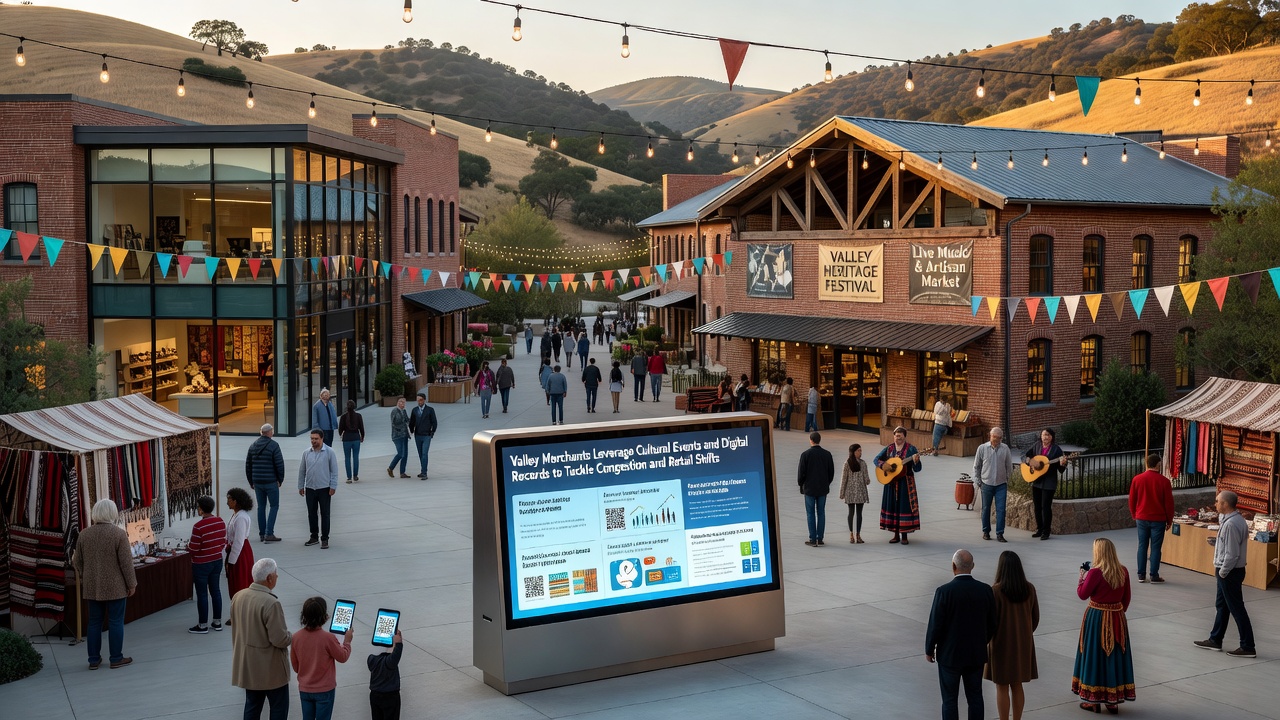
Transportation studies from the U.S. Department of Transportation indicate that event-based pedestrian prioritization can lower localized emissions when paired with historical movement analysis, and valley groups have adapted similar principles by overlaying old census route maps with modern GPS logs. Retail associations in Australia have reported parallel outcomes where digitized supply records helped independent stores maintain viability amid shifting consumer preferences toward experiential shopping. The valley effort remains distinct because it ties these elements explicitly to recurring cultural programming rather than one-off promotions.
Tracking Outcomes Through October 2026
Preparations for the October 2026 events include expanded digital monitoring stations that will log both visitor counts and delivery vehicle movements, providing fresh datasets to compare against the archived baseline. Early projections drawn from similar past festivals suggest that spreading activities across multiple weekends rather than single days will further disperse traffic loads, while the digital records guide decisions on which legacy product lines to feature in temporary stalls. Business owners continue to refine these methods by testing small-scale pilots that measure sales alongside congestion metrics before scaling to larger gatherings.
Conclusion
Valley merchants continue to refine the integration of cultural programming and digitized archives as practical responses to ongoing congestion challenges and retail evolution, with the October 2026 cycle expected to supply additional comparative figures. The methods rely on observable patterns from historical records and coordinated event timing rather than isolated interventions, and participating districts maintain open data-sharing protocols to support ongoing adjustments.